Red vine leaf extract: what it is and what the research really says
Red vine leaf extract comes from the autumn leaves of red grape varieties of Vitis vinifera, the same plant that gives us wine grapes. Two LymphActiv capsules provide 360 mg of it, making it the largest single ingredient in our formula. It is a plant traditionally used in continental Europe and studied in trials on one particular standardised extract. In the UK it is less familiar than horse chestnut, so this page sets out plainly what is known, what is not, and why none of it amounts to a promise about LymphActiv.
What red vine leaf is
Red vine leaf is the leaf of red-fleshed or red-skinned grape varieties, harvested when it turns deep red in autumn. The colour comes from pigments called anthocyanins and other polyphenols that build up in the leaf as the season ends.
In France and Germany, vine leaves have a long tradition of use in herbal preparations for the legs, and some extracts are sold there as registered herbal medicines. The European Medicines Agency's herbal committee (HMPC) has published a monograph on Vitis vinifera leaf, which shows how seriously regulators have looked at it. In the UK, the plant is better known as the source of wine than as a herbal ingredient.
| Point | In practice |
|---|---|
| Botanical name | Vitis vinifera L., leaf |
| Amount in LymphActiv | 360 mg per 2 capsules (one daily serving) |
| Main compound families | Flavonoids (quercetin glycosides), anthocyanins, tannins |
| Authorised health claim | None: we make no claim for this plant |
The compounds in the leaf
Red vine leaf is rich in flavonoids, especially quercetin derivatives, and in anthocyanins and proanthocyanidins. These polyphenols are also found in red fruit, onions, tea and cocoa.
Laboratory work has looked at how these compounds behave around the walls of small blood vessels. That is interesting background for researchers, but laboratory findings are not evidence of an effect in people, and certainly not at a given dose in a food supplement. We mention them only so you know what the leaf contains.
What the studies tested
The human trials on red vine leaf were run with one standardised extract, known as AS 195, in adults diagnosed with chronic venous insufficiency, a medical condition of the leg veins. They compared the extract with a placebo over several weeks.
A randomised, double-blind trial published by Kiesewetter and colleagues in 2000 gave people with early-stage chronic venous insufficiency either 360 mg or 720 mg of this extract a day, or a placebo, for 12 weeks, and measured lower leg volume and reported symptoms. A later placebo-controlled study by Rabe and colleagues (2011) tested the same extract in a larger group of patients. A smaller study (Kalus et al., 2004) looked at skin microcirculation measurements. The authors of these trials reported differences in favour of the extract.
These are the studies usually quoted on this plant. We cite them because they exist and because hiding them would be odd, not because they can be transferred to LymphActiv.
The limits of that evidence
The trials concern a specific patented extract, in patients with a diagnosed vein condition, under medical follow-up. They say nothing direct about another extract, about healthy people, or about a combined formula such as LymphActiv.
Chronic venous insufficiency is a medical condition that deserves a proper assessment. If your legs often ache, feel heavy or swell, our guide to heavy legs explains the common reasons and when to see your GP. A food supplement is not a treatment for it.
Its place in LymphActiv
Red vine leaf is one of seven ingredients in LymphActiv, alongside dandelion leaf, bromelain, maritime pine bark, horse chestnut seed and vitamins C and E. It was chosen as a plant traditionally used in Europe for the legs.
The only authorised health claims for LymphActiv come from its vitamins: vitamin C contributes to normal collagen formation for the normal function of blood vessels, and vitamins C and E contribute to the protection of cells from oxidative stress. The full composition and the official label are on our LymphActiv ingredients page, and the product itself is presented on the home page.
Tolerance and precautions
In the published trials, red vine leaf extract was generally well tolerated, with occasional digestive discomfort, headache or skin reactions reported. As with any plant extract, individual reactions are possible.
The precautions printed on the LymphActiv label apply: adults only, not for pregnant or breastfeeding women, and not recommended in cases of gastric or duodenal ulcer, biliary obstruction, oedematous heart or kidney failure, or known cross-allergy. If you take medication or have a medical condition, speak to a healthcare professional first. All the details are on our side effects and precautions page.
Frequently asked questions
Is red vine leaf the same as grape seed extract?
No. Both come from Vitis vinifera, but grape seed extract is made from the seeds and is mostly proanthocyanidins, while red vine leaf extract is made from the leaves and contains a broader mix of flavonoids. LymphActiv contains the leaf extract, and its proanthocyanidins (OPCs) come from maritime pine bark instead.
Can I buy red vine leaf on its own at Boots or Holland & Barrett?
Single red vine leaf products are uncommon on the UK high street, where horse chestnut is the better-known leg herb. LymphActiv itself is not sold at Boots, Holland & Barrett or other UK chemists: it is only available from the official Nutrisolution order page.
Does the NHS recommend red vine leaf?
No. NHS guidance on varicose veins and leg swelling focuses on movement, raising the legs, compression stockings where appropriate and medical treatment when needed. It does not recommend herbal supplements, and neither do we present LymphActiv as a substitute for that advice.
Is red vine leaf safe with warfarin or other blood thinners?
There is little specific data on red vine leaf, but LymphActiv also contains bromelain, horse chestnut and pine bark OPCs, which are discussed in the literature in relation to anticoagulants. If you take a blood thinner, ask your GP or pharmacist before taking LymphActiv.
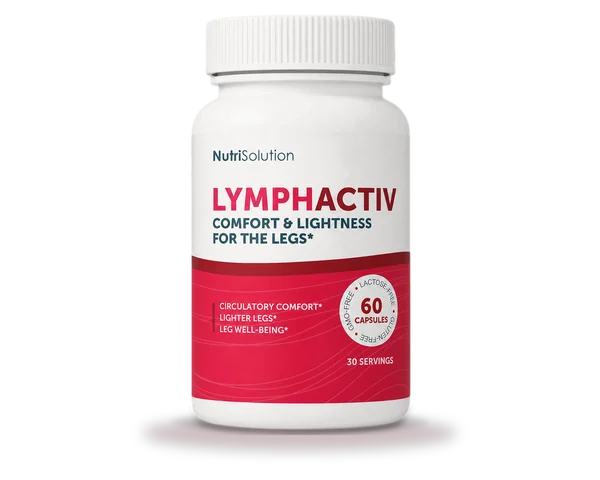
LymphActiv: 7 ingredients, 2 capsules a day
- Red vine leaf (360 mg), dandelion (300 mg), bromelain (200 mg)
- Maritime pine bark (142.5 mg OPC) and horse chestnut (20 mg aescin)
- Vitamin C, which contributes to normal collagen formation for the normal function of blood vessels, and vitamin E
- 180-day money-back guarantee, only through the official order page
Sources
- European Medicines Agency, Committee on Herbal Medicinal Products (HMPC): European Union herbal monograph on Vitis vinifera L., folium.
- Kiesewetter H, Koscielny J, Kalus U, et al. (2000): Efficacy of orally administered extract of red vine leaf AS 195 (folia vitis viniferae) in chronic venous insufficiency (stages I-II). A randomized, double-blind, placebo-controlled trial. Arzneimittelforschung 50(2).
- Rabe E, Stücker M, Esperester A, Schäfer E, Ottillinger B (2011): Efficacy and tolerability of a red-vine-leaf extract in patients suffering from chronic venous insufficiency: results of a double-blind placebo-controlled study. Eur J Vasc Endovasc Surg 41(4).
- Kalus U, Koscielny J, Grigorov A, et al. (2004): Improvement of cutaneous microcirculation and oxygen supply in patients with chronic venous insufficiency by orally administered extract of red vine leaves AS 195. Drugs R D 5(2).
- NHS: Varicose veins (nhs.uk).
- LymphActiv official label (composition per 2 capsules).