Heavy or swollen legs: when to see a GP, call NHS 111 or 999
Most heavy legs are not an emergency, but some leg symptoms are. One swollen, painful, warm or red leg can be a sign of a blood clot (DVT): get help from NHS 111 now, and call 999 or go to A&E if you are also breathless or have chest pain. This page sets out, sign by sign, who to contact in the UK: 999, NHS 111, your GP or your pharmacist. It is general information and does not replace a consultation. No food supplement, including LymphActiv, should ever delay getting help.
| What you notice | Who to contact |
|---|---|
| Swollen or painful leg with breathlessness, chest pain or coughing up blood | 999 or A&E |
| A varicose vein that is bleeding heavily and will not stop | 999 |
| One leg swollen, painful, warm, red or darker (possible DVT) | NHS 111 now (online or by phone) |
| Hot, painful, spreading redness of the skin, especially with fever | NHS 111 or urgent GP appointment |
| Swelling in pregnancy with headache, vision problems or swollen face and hands | Midwife, maternity unit or NHS 111 straight away |
| Persistent heaviness, painful varicose veins, skin changes, a slow-healing sore | GP appointment |
| Questions about stockings, medicines or supplements | Pharmacist |
Call 999 or go to A&E
Call 999 or go to A&E if leg pain or swelling comes with breathlessness, chest pain (especially when you breathe in) or coughing up blood. These can be signs of a pulmonary embolism, when part of a clot travels to the lungs.
Also call 999 if a varicose vein bleeds heavily: lie down, raise the leg as high as you can and press firmly on the bleeding point with a clean pad while you wait. Sudden swelling of both legs with severe breathlessness, especially when lying flat, also needs emergency help. And if your face, lips or tongue swell or you struggle to breathe after taking any medicine or supplement, that is a possible serious allergic reaction: call 999.
Get help from NHS 111 now
The NHS advises getting help from NHS 111 now if you think you have a DVT. Signs usually affect one leg: throbbing or cramping pain in the calf or thigh, swelling, warm skin around the painful area, red or darker skin (which can be harder to see on brown or black skin), and swollen veins that are hard or sore when you touch them.
You are more at risk after an operation or a hospital stay, during long periods of immobility, in pregnancy and the weeks after giving birth, when taking the combined pill or HRT, with cancer, if you smoke or are overweight, and if you have had a clot before. NHS 111 is available online or by phone, 24 hours a day, and can arrange for you to be seen quickly.
Skin that is red, hot, swollen and painful, sometimes with fever and feeling unwell, can be cellulitis, a skin infection that needs antibiotics. Contact NHS 111 or ask for an urgent GP appointment. People with lymphoedema are more prone to it.
Book a GP appointment
See your GP if heavy legs persist or worsen, if varicose veins ache, itch or bother you, if the skin around your ankles changes colour or hardens, if you have a sore on the leg that has not healed within two weeks, or if swelling has not settled after a few days of self-care.
Other reasons to book: swelling that keeps coming back, swelling after cancer treatment or surgery (possible lymphoedema), legs that are symmetrically enlarged, painful and bruise easily (possible lipoedema), pain in the calf when walking that eases with rest, or swelling that started after a new medicine. If you have diabetes, any change in the skin of your feet or legs deserves prompt attention.
Following NICE guidance CG168, your GP may refer you to a vascular service if you have varicose veins causing symptoms, skin changes, a previous superficial vein thrombosis, or an active or healed leg ulcer. The specialist may suggest a duplex ultrasound scan and discuss treatment options.
Ask a pharmacist
Your local pharmacist is a good first contact for non-urgent questions: compression stockings and how to wear them, whether a medicine could explain ankle swelling, and whether a supplement is compatible with your prescriptions.
Pharmacists will tell you when a symptom needs a GP or NHS 111 instead. Bring the packaging or label of any supplement you take so they can check every ingredient.
Getting the most from your appointment
Note when your symptoms started, whether they affect one leg or both, what makes them better or worse, and bring a list of all medicines and supplements you take.
- Take photos of any swelling or skin changes, which can come and go.
- Mention any previous clots, surgery, pregnancy, long journeys or family history of vein problems.
- Wear clothing that makes it easy to examine your legs.
Our pages on the causes of heavy legs and on everyday tips can help you prepare, and the heavy legs hub brings everything together.
Supplements and your GP
LymphActiv is a food supplement, not a treatment for DVT, varicose veins, venous insufficiency, lymphoedema, lipoedema or any other condition. Never use it to put off seeing a professional.
If you take it, tell your GP, pharmacist or surgeon, especially if you are prescribed an anticoagulant or antiplatelet medicine, or are about to have surgery: LymphActiv contains bromelain, horse chestnut and maritime pine bark OPCs, which are discussed in the literature in relation to blood clotting. All the label precautions are on our side effects and precautions page.
Frequently asked questions
Is NHS 111 the right number for a suspected DVT?
Yes. The NHS advises getting help from NHS 111 now if you think you have a DVT. They can assess you and arrange an urgent appointment. Call 999 instead if you are breathless, have chest pain or are coughing up blood.
Can I go to a pharmacy for a swollen leg?
A pharmacist can advise on mild, symmetrical ankle swelling and on stockings, but one swollen, painful leg needs NHS 111, not a pharmacy visit. If in doubt, use NHS 111 online.
Will my GP refer me for varicose vein treatment on the NHS?
NICE recommends referral when varicose veins cause symptoms or skin changes, or with a history of ulcers or superficial thrombosis. Availability of NHS treatment for purely cosmetic veins varies by area.
I take LymphActiv and my leg suddenly swelled. Is it the supplement?
Do not try to work that out yourself. Stop taking it, and seek help according to your symptoms: NHS 111 now for one swollen, painful leg, 999 if you are breathless or have chest pain or your face or lips swell. Mention the supplement to the clinician.
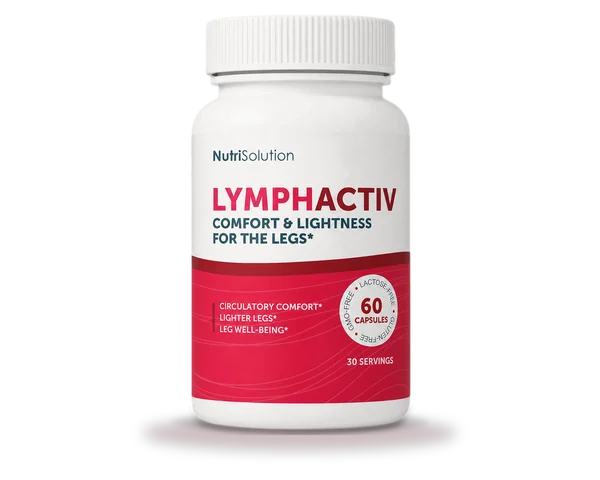
LymphActiv: 7 ingredients, 2 capsules a day
- Red vine leaf (360 mg), dandelion (300 mg), bromelain (200 mg)
- Maritime pine bark (142.5 mg OPC) and horse chestnut (20 mg aescin)
- Vitamin C, which contributes to normal collagen formation for the normal function of blood vessels, and vitamin E
- 180-day money-back guarantee, only through the official order page
Sources
- NHS: Deep vein thrombosis (DVT) (nhs.uk).
- NHS: Pulmonary embolism (nhs.uk).
- NHS: Swollen ankles, feet and legs (oedema) (nhs.uk).
- NHS: Varicose veins (nhs.uk).
- NHS: Cellulitis (nhs.uk).
- NHS: Venous leg ulcer (nhs.uk).
- NHS: Pre-eclampsia (nhs.uk).
- NICE (2013): Varicose veins: diagnosis and management, clinical guideline CG168.