Bromelain: the pineapple enzyme, its dose and its limits
Bromelain is a mixture of protein-digesting enzymes extracted mainly from the stem of the pineapple plant. Two LymphActiv capsules contain 200 mg of bromelain with an activity of 1200 GDU per gram, so 240 GDU per daily serving. It is one of the most studied enzymes sold as a supplement, yet the evidence remains mixed. It is also the ingredient that most clearly calls for a word with your GP or pharmacist if you take a blood thinner.
What bromelain is
Bromelain is not a single substance but a group of proteases, enzymes that break down proteins, found in the pineapple (Ananas comosus). Commercial bromelain is usually obtained from the stem, which is a by-product of the fruit industry.
It has been used for decades as a meat tenderiser and in food processing, which is why fresh pineapple stops jelly from setting. In medicine, a bromelain-based enzyme preparation is used on burns in hospital, applied to the skin to remove damaged tissue. That use has nothing to do with taking capsules, but it shows how active these enzymes are.
| Point | In practice |
|---|---|
| Source | Pineapple plant (Ananas comosus), mainly the stem |
| Amount in LymphActiv | 200 mg per 2 capsules |
| Activity | 1200 GDU/g, so 240 GDU per serving |
| Authorised health claim | None: we make no claim for bromelain |
What 240 GDU means
GDU stands for gelatin digesting units, a measure of how much enzyme activity a bromelain preparation has. Two products with the same weight of bromelain can have very different activity, which is why serious labels state both.
Our label gives 200 mg at 1200 GDU per gram. Multiply the two and you get 240 GDU for two capsules. Some studies express doses in other units (such as MCU, milk clotting units), so comparing products or trials is not always straightforward. We give the figure so that you, your pharmacist or your GP can see exactly what is in the capsule.
What the research suggests
Bromelain has been studied for decades in areas such as recovery after surgery or injury, joint discomfort and sinus problems, with results that are inconsistent from one trial to another. Many studies are small, use different doses and preparations, or combine bromelain with other enzymes.
Reviews by Maurer (2001) and Pavan and colleagues (2012) describe what has been observed in the laboratory, including effects on inflammatory signalling and on blood clotting factors, and summarise the clinical studies. They also note the questions that remain open: how much active enzyme survives digestion, which doses matter, and how robust the human results are. The honest summary is that the research suggests possible effects, with limited and variable data.
Its place in LymphActiv
Bromelain sits alongside five plant extracts and two vitamins in LymphActiv. We included it as an ingredient of natural origin that is widely used in European supplements and much discussed in research.
The only authorised health claims for LymphActiv come from its vitamins: vitamin C contributes to normal collagen formation for the normal function of blood vessels, and vitamins C and E contribute to the protection of cells from oxidative stress. See the full composition on our LymphActiv ingredients page, or go back to the home page.
Allergies, medicines and surgery
Bromelain is generally well tolerated, but it can cause allergic reactions, and the literature reports that it may affect blood clotting and the absorption of some medicines.
- Allergy: avoid it if you are allergic to pineapple. Cross-reactions with papain (from papaya), latex and some pollens have been described.
- Blood thinners: bromelain is discussed in the literature in relation to anticoagulants such as warfarin, apixaban or rivaroxaban, and antiplatelets such as aspirin or clopidogrel. LymphActiv also contains horse chestnut and pine bark OPCs, which raise the same question. Ask your GP or pharmacist first.
- Antibiotics: some studies report that bromelain can increase the absorption of certain antibiotics, such as amoxicillin and tetracyclines.
- Before an operation or dental surgery: tell the surgeon or dentist about every supplement you take; they may ask you to stop beforehand.
- Digestive comfort: mild stomach upset or loose stools are occasionally reported. The label advises against LymphActiv in case of gastric or duodenal ulcer.
The complete list of label precautions is on our side effects and precautions page.
Frequently asked questions
I take warfarin and have regular INR checks at my NHS clinic. Can I take LymphActiv?
Do not start it without asking. Bromelain, horse chestnut and OPCs are all discussed in the literature in relation to anticoagulants, and warfarin is sensitive to changes in diet and supplements. Your GP, anticoagulation clinic or pharmacist can advise you.
Can I get the same bromelain by eating fresh pineapple?
Fresh pineapple flesh contains some bromelain, but most commercial bromelain comes from the stem, which we do not eat. Tinned pineapple has been heat-treated, which destroys much of the enzyme activity. Either way, pineapple is a fine fruit to enjoy as part of a varied diet.
Are bromelain supplements regulated in the UK?
Bromelain capsules sold as food supplements fall under food law, overseen by the Food Standards Agency and local trading standards. No health claim for bromelain is authorised on the GB nutrition and health claims register, which is why we make none.
Should I stop LymphActiv before an operation?
Tell your surgeon, anaesthetist or dentist about everything you take, including food supplements. They will tell you whether and when to stop. Do not wait for the pre-op appointment to mention it.
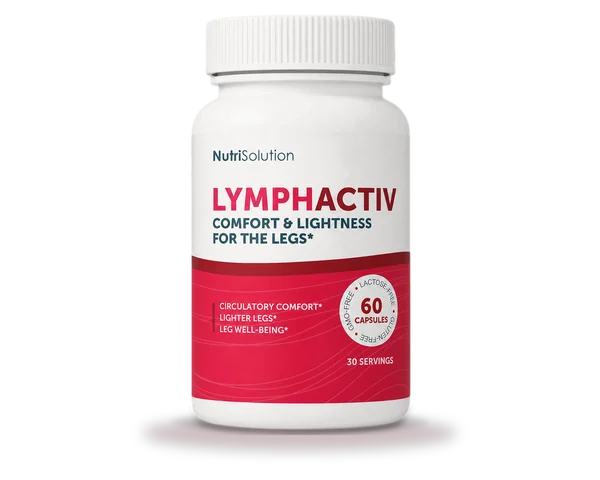
LymphActiv: 7 ingredients, 2 capsules a day
- Red vine leaf (360 mg), dandelion (300 mg), bromelain (200 mg)
- Maritime pine bark (142.5 mg OPC) and horse chestnut (20 mg aescin)
- Vitamin C, which contributes to normal collagen formation for the normal function of blood vessels, and vitamin E
- 180-day money-back guarantee, only through the official order page
Sources
- Maurer HR (2001): Bromelain: biochemistry, pharmacology and medical use. Cell Mol Life Sci 58(9).
- Pavan R, Jain S, Shraddha, Kumar A (2012): Properties and therapeutic application of bromelain: a review. Biotechnol Res Int 2012:976203.
- European Medicines Agency: NexoBrid (concentrate of proteolytic enzymes enriched in bromelain), EPAR summary.
- NHS: Anticoagulant medicines (nhs.uk).
- LymphActiv official label (composition and precautions).